The following is an excerpt from my current WIP. This manuscript tells the story of a gifted young pianist who fights to reclaim his dreams of the stage with the help of the same person who once drove him to quit.
Jeux d’eau by Maurice Ravel is a solo piano piece. The composition is meant to evoke images of fountains and flowing water. You can listen to it on Youtube here.
Elijah bid his roommates goodbye and slipped into Anderson Hall to get everything shut down for the night. Once he confirmed no one was left inside, he locked the doors so Marc’s family couldn’t drag the golden boy back to the piano for encore number three. Elijah tidied the place with lackluster attention to detail. With his now infamous microfiber cloth, he wiped down the piano.
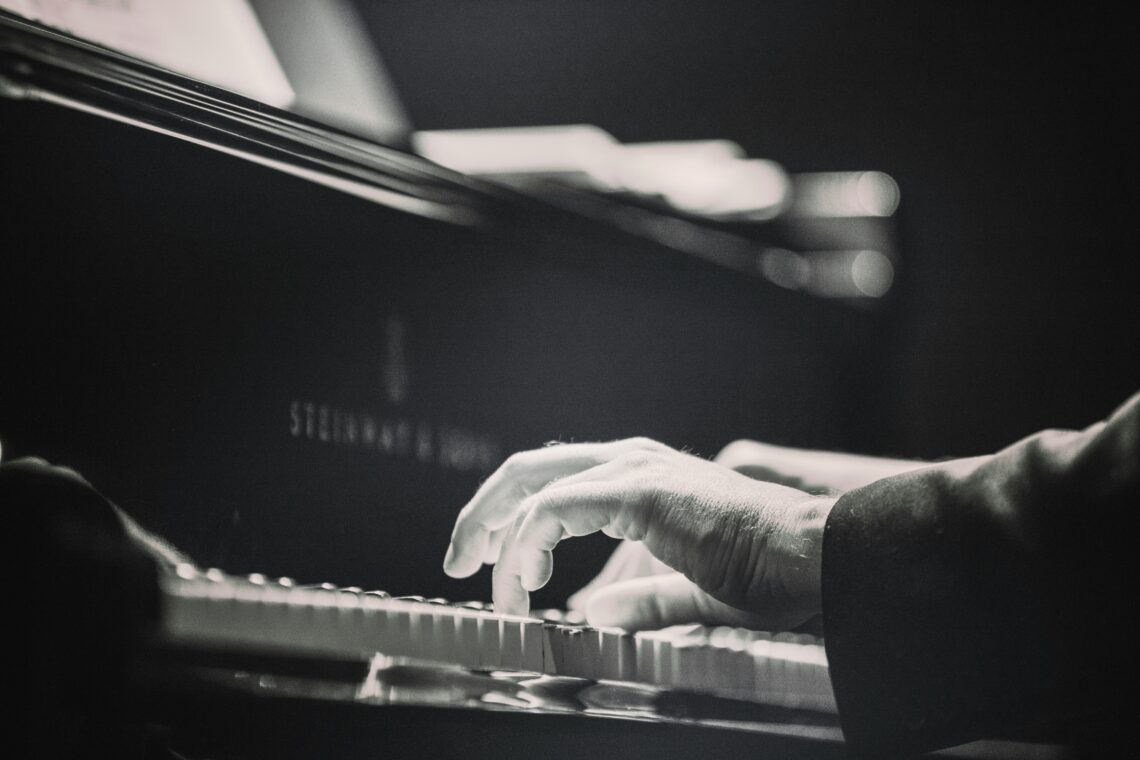
The lights were still on, shining on the stage, the rest of the place cast into darkness. Elijah’s fingers dragged along the smooth lines of the piano. The familiarity of it called to him, and before he knew what he was doing, he sat on the bench.
The glare from the spotlights forced him to look down at the keys and nowhere else. Was this what Marc felt at the beginning of his performance?
The silence urged Elijah to fill it.
Had he not been alone behind the safety of locked doors, he wouldn’t have dared do what he did next. He placed his hands on the keys and searched his memory for the opening strains of Jeux d’eau. Eventually, he found the right notes, but when he played them, it sounded like he was asking a question. He repeated the first phrase a few times—slowly, fingers stiff and uncertain—then restarted the piece with blossoming confidence. Elijah had known it well, once upon a time.
He closed his eyes and let the music flow through him, imagining little children laughing and running around a water fountain on a summer day, the sun so bright overhead, they could hardly keep their little eyes open. He smiled at the feel of the sun’s warmth on the back of his neck and hands. Perhaps it was only the heat of the stage lights, but Elijah’s imagination had long since left Anderson Hall behind.
To his surprise, the entirety of the piece came back to him. He teased out the notes as though chasing a shimmering light around the bottom of a pool, each chromatic flourish and augmented arpeggio like a cool swirl of water. Sometimes the pool turned murky, full of mistakes like a tangle of weeds, and he had to tread water until memories resurfaced to show the way.
Such a performance might have once mortified him beyond words, but after years spent shying away from this instrument he’d once clung to as a lifeline, Elijah could no longer stop himself. The realization that his playing wasn’t half as awful as he remembered gave him another surge of confidence, and when he charged through the ending, he experienced a bright moment of joy he hadn’t felt in years.
He loved the way the notes rang out. Loved that he got to hear them first before the sound bounced off the walls and matured into rich, full-bodied music for the audience.
God, how had he ever given this up?
With his heart pounding, he ascended the final arpeggio and lifted his hands to allow the notes to ring. He stayed there until the sound diminished to nothing, and only then did he release the sustain pedal. Eyes closed, he imagined the first person in the audience putting their hands together in applause. More clapping would follow. A pounding thunderstorm of it.
Elijah opened his eyes and looked to the rows of seats. All of them, empty.
He imagined Frederic Auclair sitting there, watching from the front row, a subtle smile playing at his lips that meant he’d heard something that pleased him.
That pleased Elijah, too.
Somewhere behind him, the Anderson Hall ghost laughed.
This manuscript is currently undergoing final edits. A two-page synopsis and other query materials are available upon request: [email protected].
Featured image (above) by Dolo Iglesias – Unsplash